---
Title: Turn Back the Clock with the Red Library!
Canonical URL: https://getsoundly.com/news/turn-back-the-clock-with-the-red-library/
Markdown URL: https://getsoundly.com/news/turn-back-the-clock-with-the-red-library/index.html.md
Source: news post
Source path: _posts/2020-01-03-turn-back-the-clock-with-the-red-library.md
Date: 2020-01-03T00:00:00+01:00
---
Last February, I was thrilled when Soundly added **The Golden Era Library** to their
amazing collection of sounds. These important classic Hollywood sound effects were
nearly thrown away, but are now being used for all sorts of projects all over the world.
Since then, I have continued to preserve the former USC optical sound effects library.
And now I’m extremely happy to present the next collection of classic sound effects:
**The Red Library**.
## Where did these come from?
To recap, I acquired these sounds from the [USC Hugh M. Hefner Moving Image Archive](http://uschefnerarchive.com) in 2016, just before they were to be thrown away. They are first generation full-track 1/4” tape transfers of 35mm optical sound effects.
## What’s the difference between the Gold and Red Libraries?
Although the specific origins of these sounds are mostly lost, It has become clear to me
that the Gold effects were mostly clean “master” effects that were used to print copies to
be cut into a film’s soundtrack. The effects in this new Red Library are not as clean, and
have many splices, indicating they have been a direct part of the editing process. I’ve
nicknamed this library “the workbench collection,” because these sounds are clearly
leftovers from several Hollywood productions.
## What’s the difference between master and working copies?
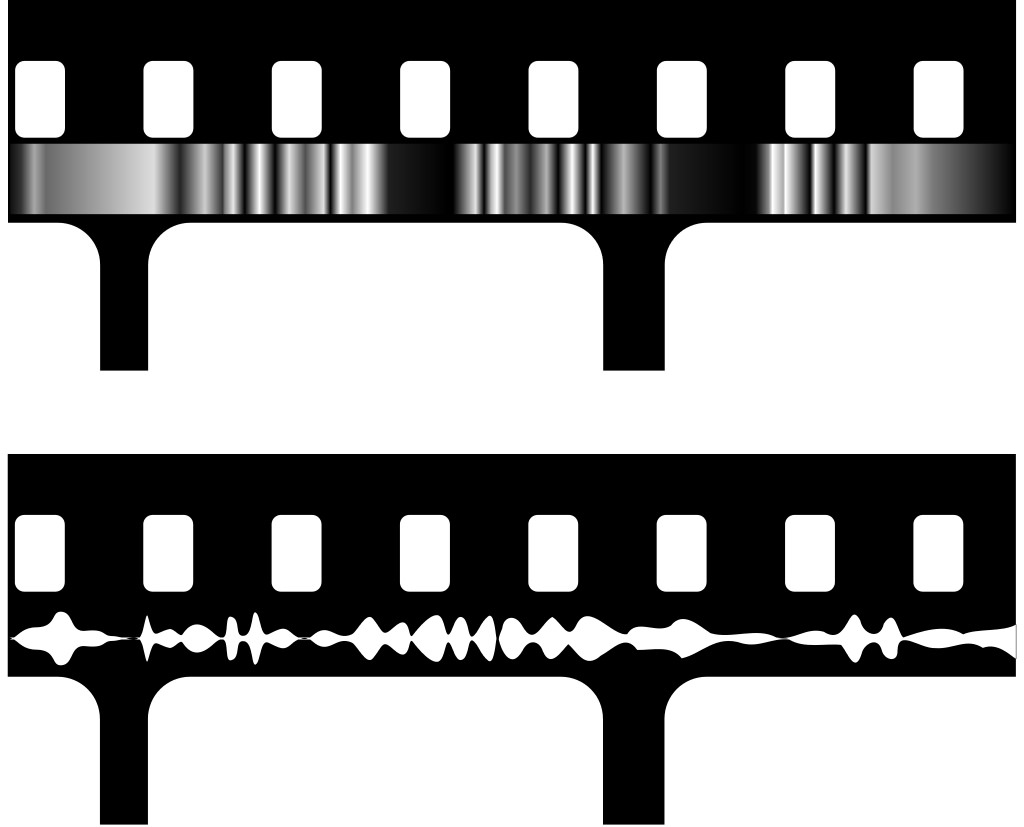
Until the mid 1950s, sounds for film were recorded onto 35mm film by modulating a
beam of light.
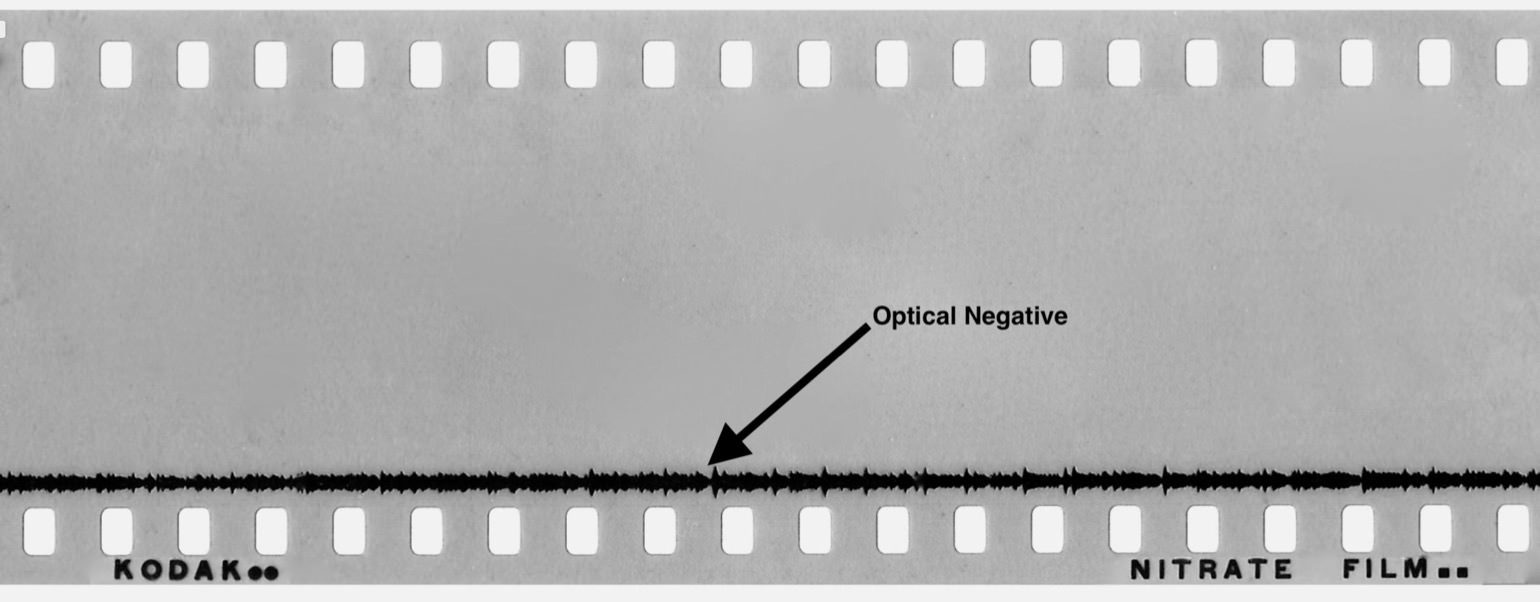 This was a delicate process that required extremely accurate exposure and developing.
These tracks could be either variable area or variable density. Both had advantages and
disadvantages.
This was a delicate process that required extremely accurate exposure and developing.
These tracks could be either variable area or variable density. Both had advantages and
disadvantages.
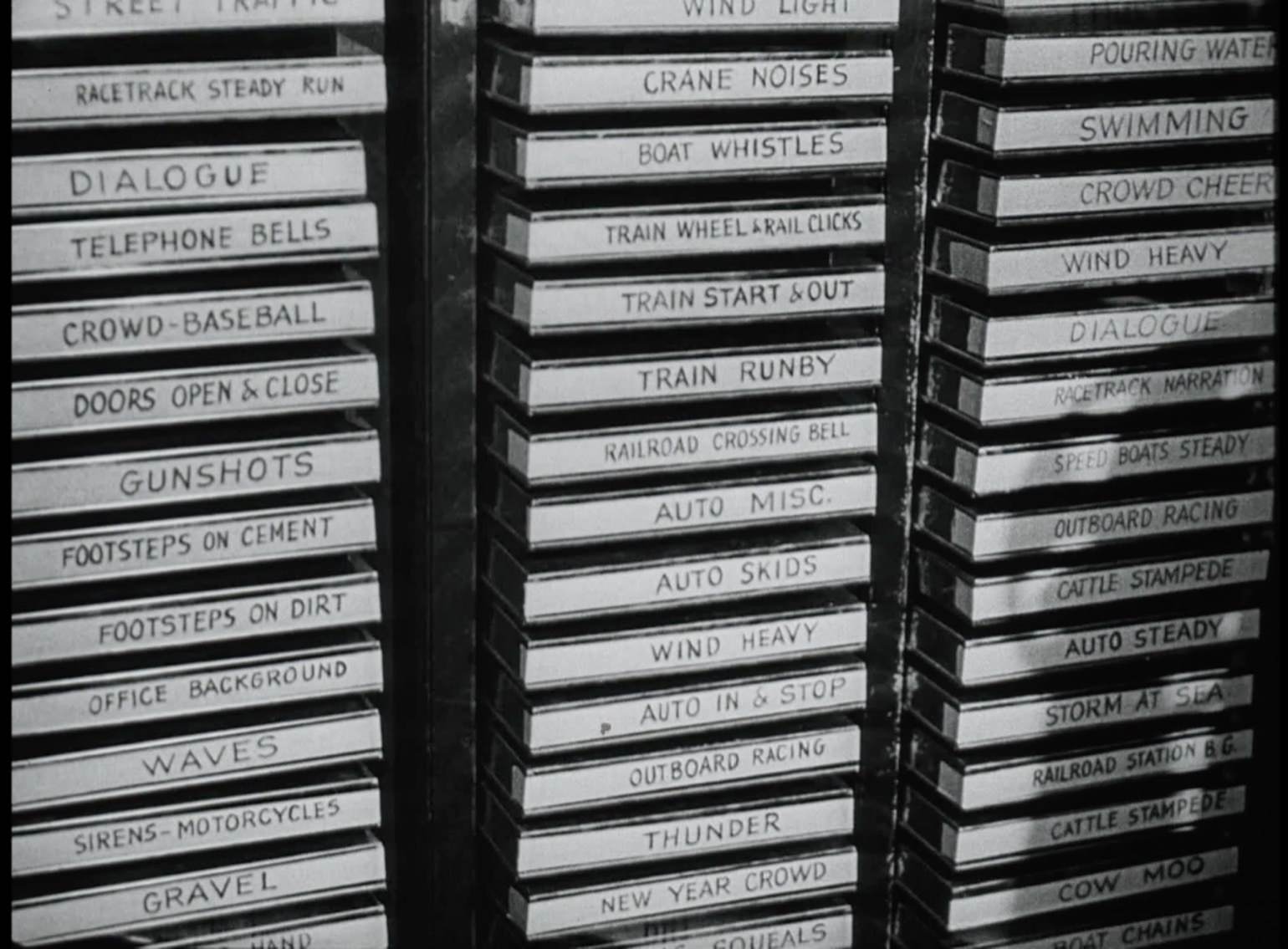
 These master tracks would then be duplicated for editors, cut into individual sounds,
and wound into small rolls held by rubber bands or paper tape. They were then placed
into “trim boxes” for easy access.
These master tracks would then be duplicated for editors, cut into individual sounds,
and wound into small rolls held by rubber bands or paper tape. They were then placed
into “trim boxes” for easy access.
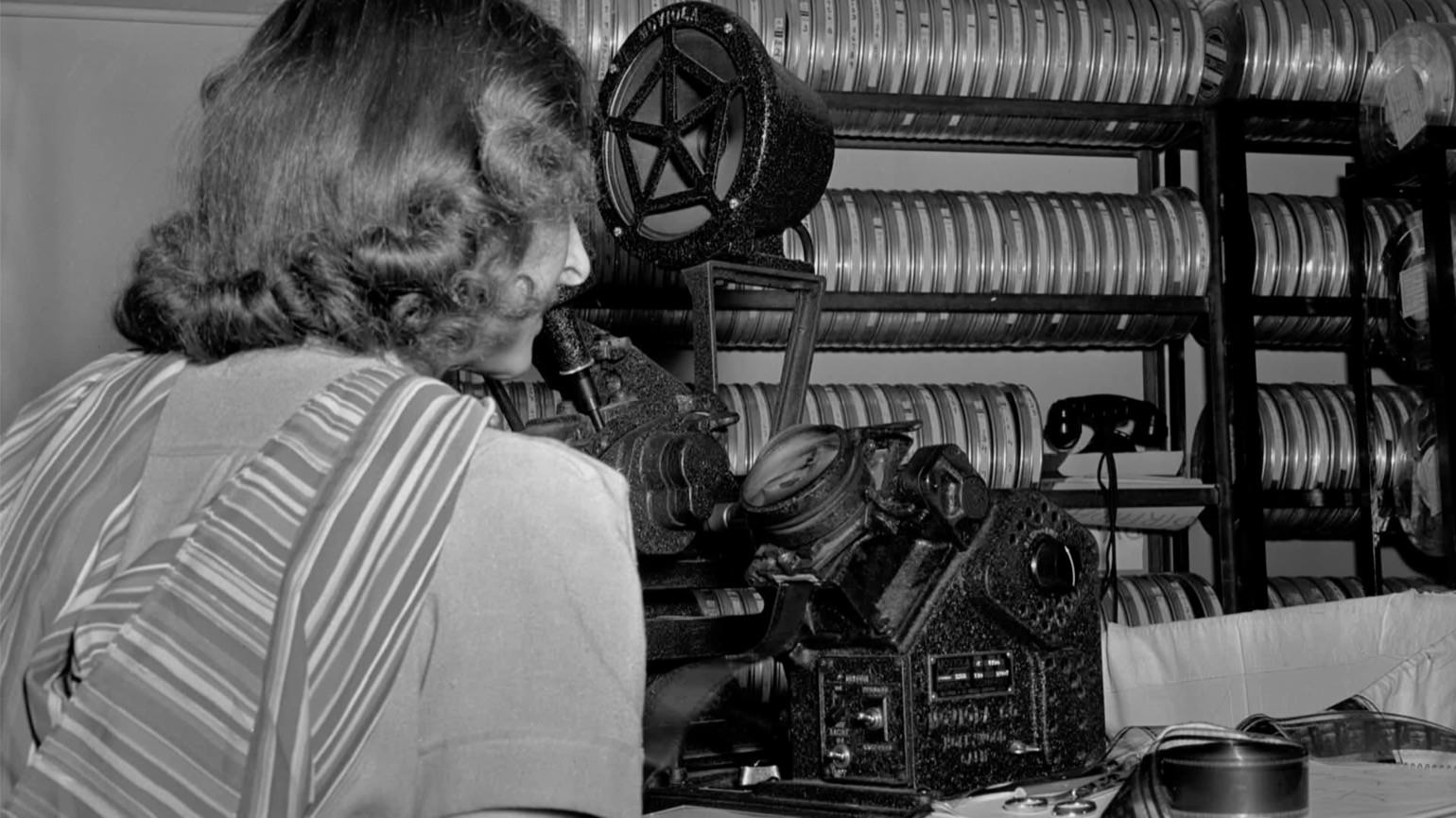
 The sounds could be retrieved by editors and edited on a Moviola editing machine As
they cut effects, they would return the leftover bits, the “trims”, to the trim boxes.
The sounds could be retrieved by editors and edited on a Moviola editing machine As
they cut effects, they would return the leftover bits, the “trims”, to the trim boxes.
 The sounds were edited onto reels that were then put onto reels and loaded onto
“dubbers” for final mixing.
The sounds were edited onto reels that were then put onto reels and loaded onto
“dubbers” for final mixing.
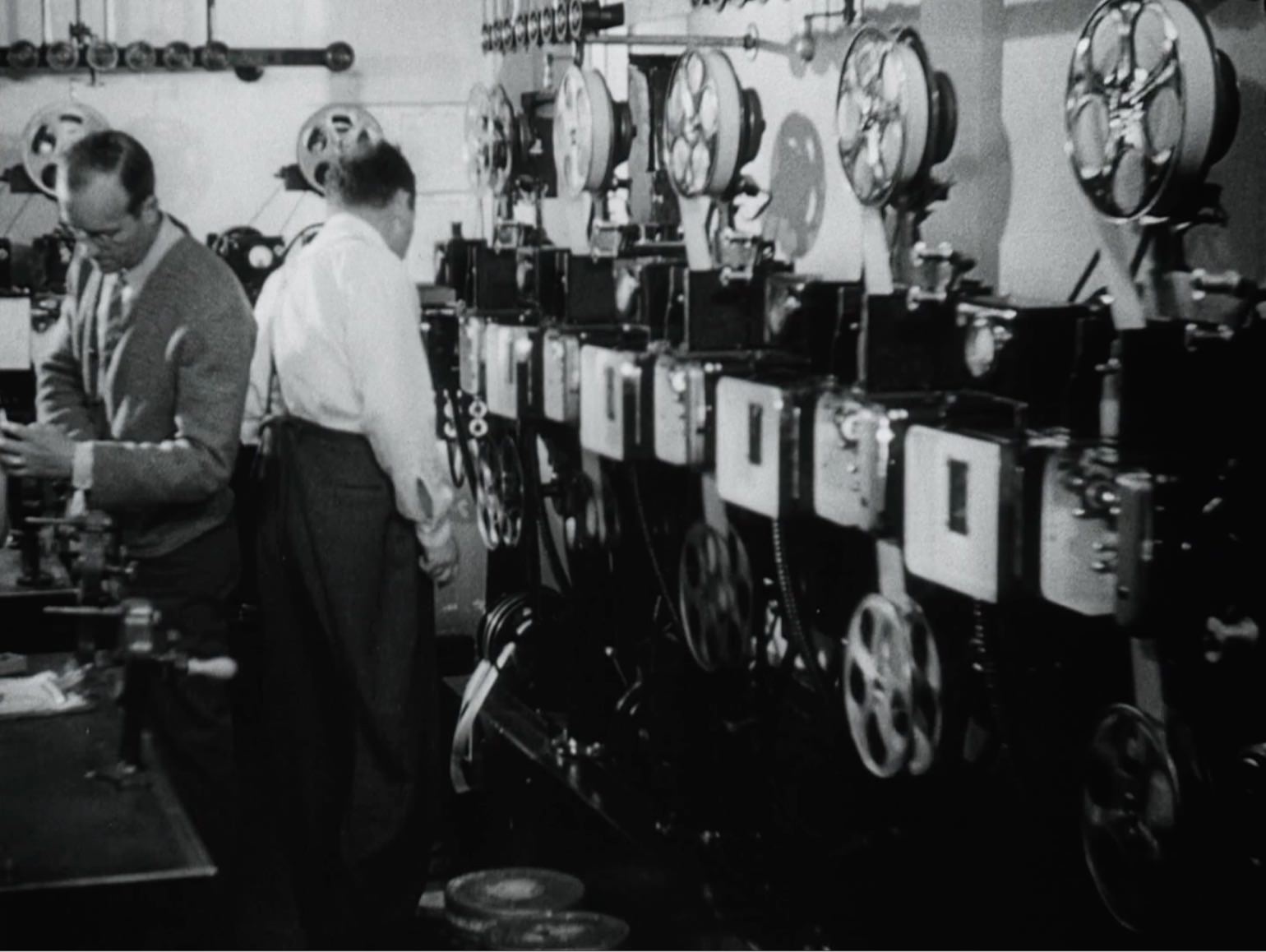 This system worked well, except that every optical generation created more noise, loss
of high-end, and distortion. Since the prints shown in theaters were many generations
removed from the original recordings, precision in every step was incredibly important.
## What happened in the editing room?
This system worked well, except that every optical generation created more noise, loss
of high-end, and distortion. Since the prints shown in theaters were many generations
removed from the original recordings, precision in every step was incredibly important.
## What happened in the editing room?
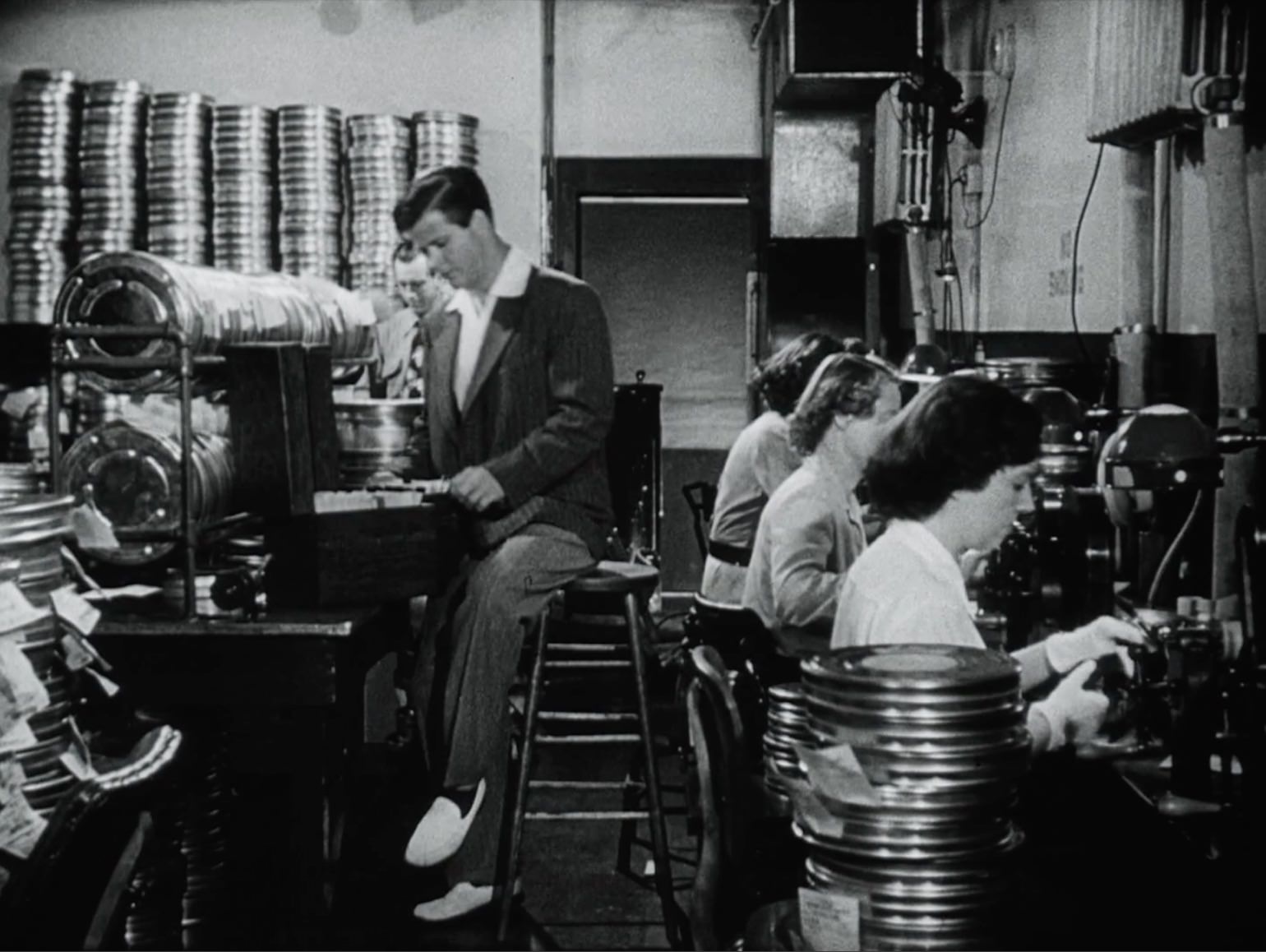 Sound editors loved to collect their favorite sounds so they could use them again and
again. Sometimes they would print more copies of a sound than they needed. Everyone
was fine with this, but making copies of copies could lead to degraded sound quality.
They also would take the trims with them at the end of a production, even though they
might be full of audible splices.
Another thing editors did was to install “portable” optical cameras in the edit room to
speed up the process.
Sound editors loved to collect their favorite sounds so they could use them again and
again. Sometimes they would print more copies of a sound than they needed. Everyone
was fine with this, but making copies of copies could lead to degraded sound quality.
They also would take the trims with them at the end of a production, even though they
might be full of audible splices.
Another thing editors did was to install “portable” optical cameras in the edit room to
speed up the process.
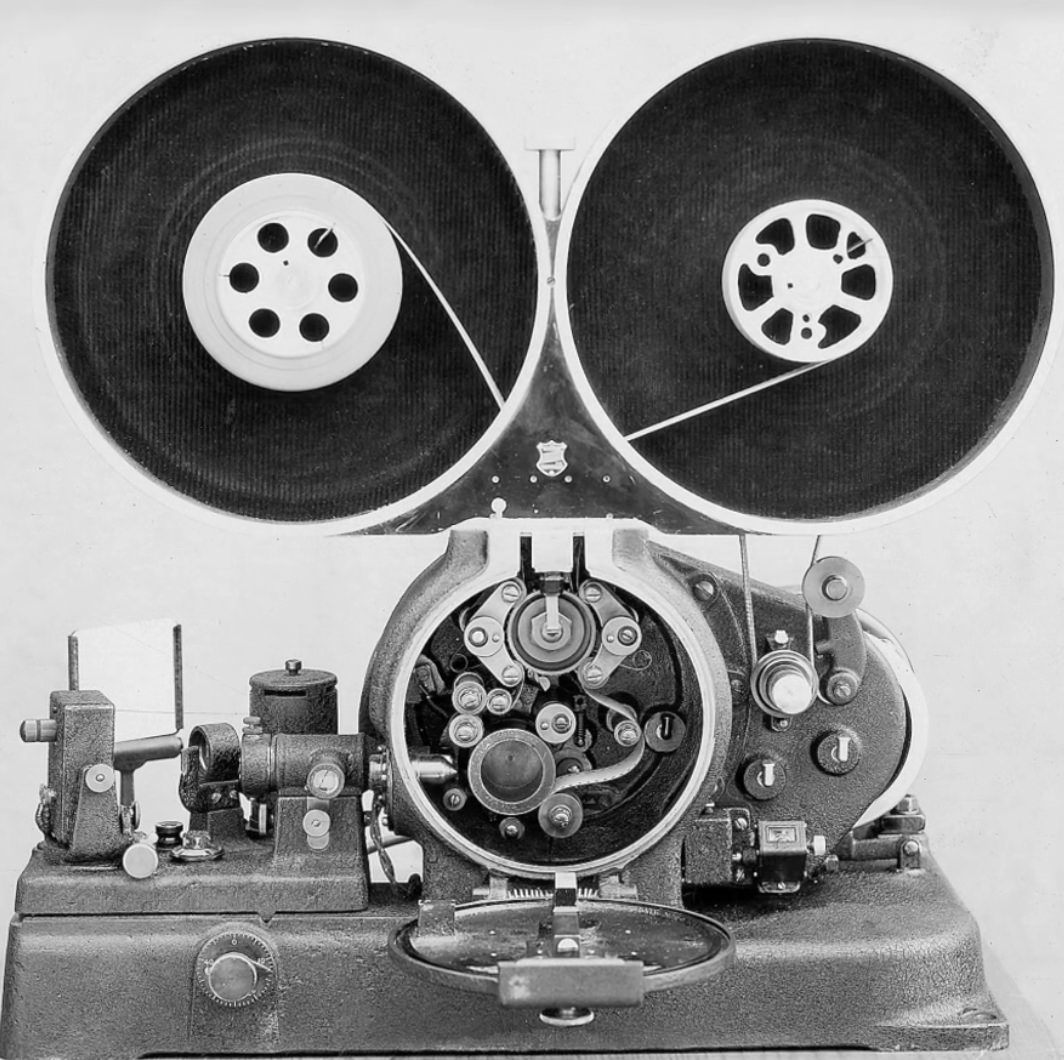 This was likely to introduce ground noise, and intermodulation distortion due to improper
exposure.
## So how does the red library sound then?
Pretty good, actually!
My original intent with this project was to preserve, not restore. But I realized that many
of these sounds needed a little help. So I did some minimal restoration including hum
and hiss reduction, reduction of distortion, and splice repair (gaps and clicks). Since
there are over 1,500 effects in this library, the time spent on each effect was limited. But
I’m happy with the results. These are very usable sounds that you won’t find anywhere
else. And they layer very well with modern digital effects.
## So what's next?
There is a lot more sound to recover in this project. The Red and Gold libraries were the
easy stuff. Beyond this, I’m dealing with tapes that are badly shrunken, and tapes that
have sticky-shed syndrome. Since I’m the one doing the transfers, I don’t know when I
will have more to share. But I know there’s good stuff in those tapes, and I’ll find a way
to recover it.
Again, I want to thank those whose support has kept me going on this project: Peder
Jørgensen, Christian Schaanning, Leanna Kaiser, Jesse Smith, Dino Everett, Ben Burtt,
Frederic Font, Randy Haberkamp, and Lynn Becker.
—Craig Smith
## Craig Smith's Biography
Craig Smith has been recording and manipulating sound since 1964. After graduating from USC’s School of Cinematic Arts, he worked as a sound editor and production mixer in Hollywood, specializing in noisy action-adventure films that are blamed for the downfall of society. He left that world in 1986 to teach at [California Institute of the Arts](https://calarts.edu), where he is now Academic Sound Coordinator in the School of Film/Video.
This was likely to introduce ground noise, and intermodulation distortion due to improper
exposure.
## So how does the red library sound then?
Pretty good, actually!
My original intent with this project was to preserve, not restore. But I realized that many
of these sounds needed a little help. So I did some minimal restoration including hum
and hiss reduction, reduction of distortion, and splice repair (gaps and clicks). Since
there are over 1,500 effects in this library, the time spent on each effect was limited. But
I’m happy with the results. These are very usable sounds that you won’t find anywhere
else. And they layer very well with modern digital effects.
## So what's next?
There is a lot more sound to recover in this project. The Red and Gold libraries were the
easy stuff. Beyond this, I’m dealing with tapes that are badly shrunken, and tapes that
have sticky-shed syndrome. Since I’m the one doing the transfers, I don’t know when I
will have more to share. But I know there’s good stuff in those tapes, and I’ll find a way
to recover it.
Again, I want to thank those whose support has kept me going on this project: Peder
Jørgensen, Christian Schaanning, Leanna Kaiser, Jesse Smith, Dino Everett, Ben Burtt,
Frederic Font, Randy Haberkamp, and Lynn Becker.
—Craig Smith
## Craig Smith's Biography
Craig Smith has been recording and manipulating sound since 1964. After graduating from USC’s School of Cinematic Arts, he worked as a sound editor and production mixer in Hollywood, specializing in noisy action-adventure films that are blamed for the downfall of society. He left that world in 1986 to teach at [California Institute of the Arts](https://calarts.edu), where he is now Academic Sound Coordinator in the School of Film/Video.
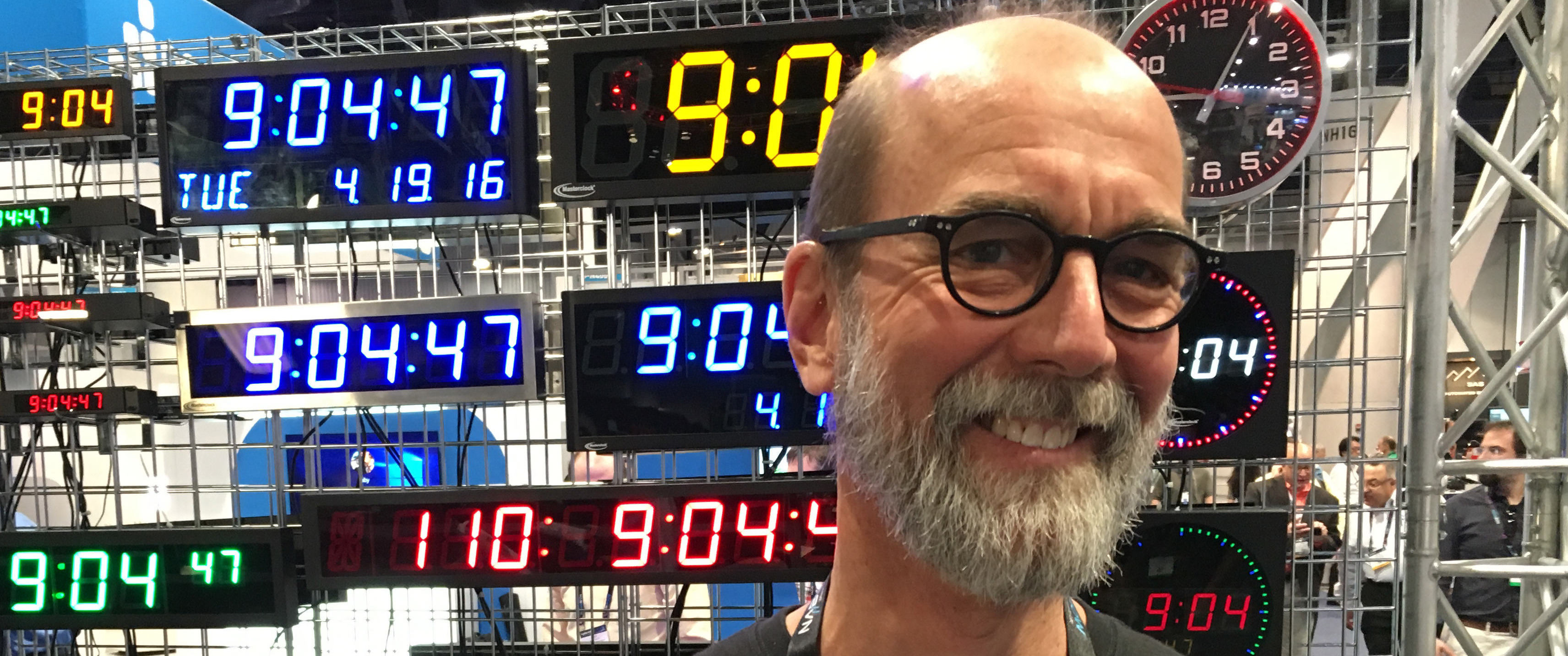 Craig’s own work experiments with implied narrative and accidental sound design – putting together sounds & images that have nothing to do with each other to create unexpected stories.
Craig is a member of the Society of Motion Picture and Television Engineers, and the Audio Engineering Society.
To get **The Red Library**, go to the add-ons-section inside Soundly, and add it for free.
Craig’s own work experiments with implied narrative and accidental sound design – putting together sounds & images that have nothing to do with each other to create unexpected stories.
Craig is a member of the Society of Motion Picture and Television Engineers, and the Audio Engineering Society.
To get **The Red Library**, go to the add-ons-section inside Soundly, and add it for free.